The Lessons Of This Millionaire Mentor Will Undo Your Money Conditioning
So That Money Becomes Your Favorite Game To Play
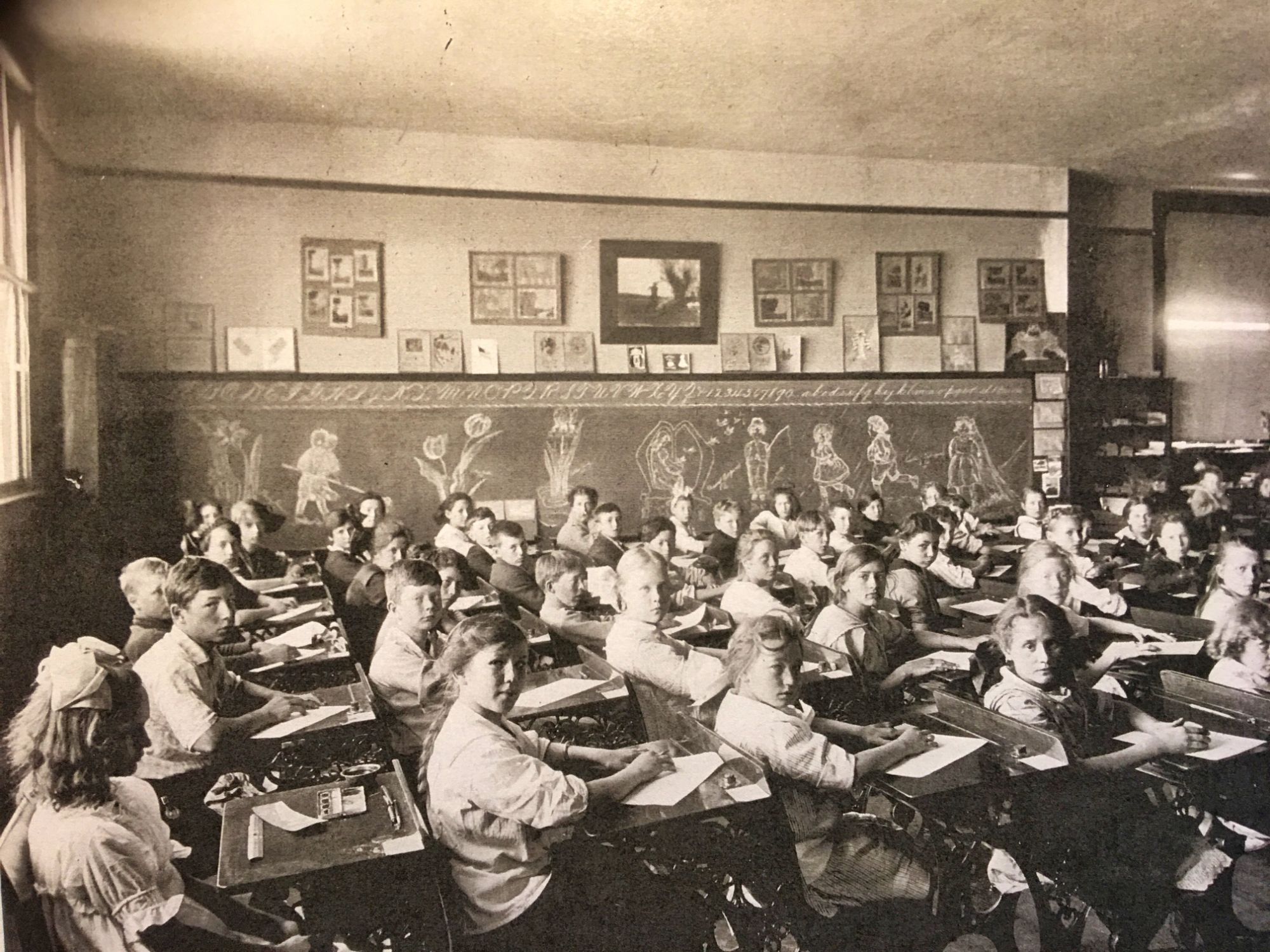
Schooling trained you to behave in the way the system wanted you to. Sit still. Follow the steps. Do the work, hand it in, get the mark. Nobody asked what you were curious about. There was no room to experiment, nothing you were allowed to play with, and no real mastery on offer: only measured compliance.
When you entered the workforce, money arrived in your life in exactly the same way. You learned to earn it through effort, spend it on rewards, and when it runs out, borrow. Limited possibilities, no flexibility, and no deep understanding of what money really is or how it really works.
And that's no accident... it's by design. The system that trained you was never interested in your ability to master money. It's interested in your predictability, your servitude and your obedience: a reliable worker and a reliable consumer. So it only ever taught you the least effective ways to relate to money, because those are the ways that keep you in place.
Nobody ever taught you to be masterful with money. They taught you to be compliant with it.
I call this consumer intelligence, and it's very good at one thing:
making you a reliable earner and a reliable spender.
It taught you that:
Run it for long enough, and it produces a very predictable pattern:
An absence of money mastery doesn't announce itself as a crisis. It shows up as something quieter, stable, but far more insidious: a completely predictable life. You earn a bit more, so you spend a bit more. Something breaks, so you borrow. Then you earn harder to cover the borrowing.
It degenerates slowly enough that you can always tell yourself next year will be different. And because everyone around you is running the same loop, it looks and feels like being a responsible adult... rather than what it is - degeneration.
This is what happens to a life with no money mastery in it. Not an immediate disaster, but a slow, predictable narrowing of potential.
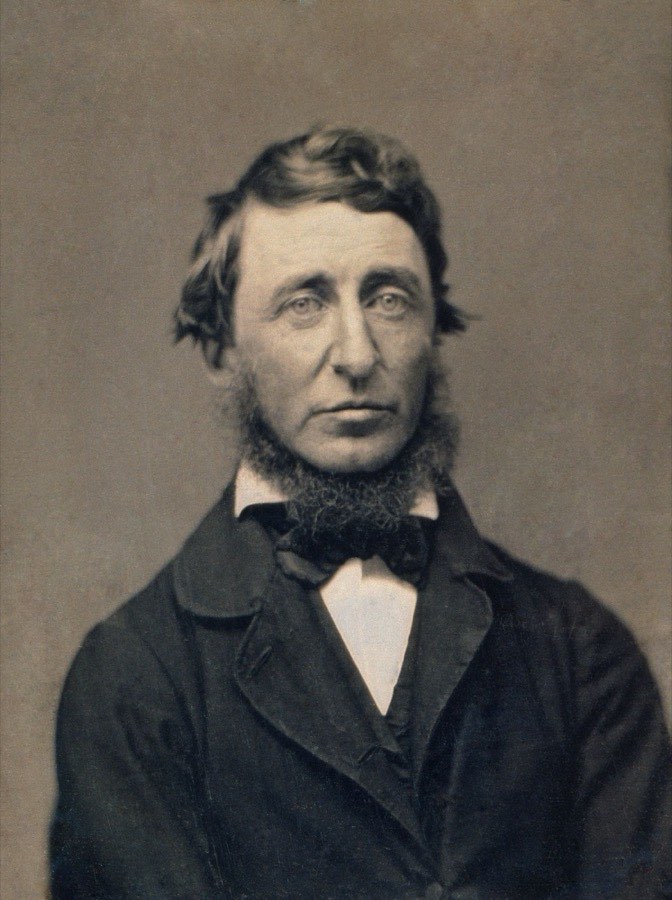
“Most people lead lives of quiet desperation, and go to the grave with the song still in them.”
Your song is the thing you were made for: the gift you would pursue for its own sake, the work you would do even if nobody paid you. Earn, spend, borrow leaves no room for it. There is always a bill that comes first.
So you find ways not to feel the pain of your lost potential: scrolling, watching shows, taking substances, eating snacks, anything that saves you from noticing you are living a life somebody else designed. You tell yourself it is temporary, that once you hit a certain number you will make the leap. But if your environment hasn't changed that pattern so far, there is no reason to believe it will start now.
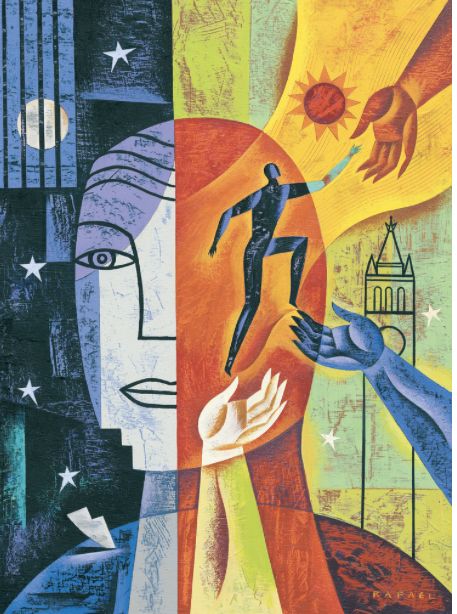
And here is the part almost nobody notices. The song is play.
There was a time when you didn't need permission to play. You built whole worlds out of cardboard boxes. You invented games, made up the rules, and traded marbles, cards and stickers like they were currency. You lost track of time because you were completely absorbed in what you were doing.
And it was how you learned almost everything. Language, movement, risk, negotiation, what happens when you take things too far. Nobody sat you down and taught you. You played, and the understanding grew underneath.
That's the song Thoreau was talking about. Before anyone told you what you were supposed to become, you already knew how to play.
Somewhere along the way it went quiet. Not gone: dormant. The same capacity is still in you, waiting for the conditions that let it wake up.
And it can be reawakened, and infused into the one part of your life that has always felt furthest from play: money.
Watch any child for ten minutes. Nobody is teaching them, and they are learning faster than they ever will again. Play is how a developing mind tests the world: it tries something, watches what happens, adjusts, and tries again, with nothing at stake and nobody marking the result.
That loop is what builds real capability. Not memorised rules, but a feel for how something behaves: the kind of understanding a musician has for an instrument, or an athlete has for a ball. You can't be told it. You can only play your way into it.
So play isn't the opposite of serious development. It's the engine of it. Take play away, and learning doesn't become more serious. It just stops going deep.
“Play is the only way the highest intelligence of humankind can unfold.”
If play is the only route by which our highest intelligence unfolds, and you were never once permitted to play with money, then there's an entire intelligence in you that never got to grow.
Not more information. Not more discipline. Not another course. Bring play back to the way you relate to money.
And if play ended because the environment stopped supporting it, it can begin again in an environment built to allow it. That's why we built Millionaire Mindware. But first, a fair question.
If play is how intelligence grows, then bringing it back to money means bringing it into the place where money is made: your work. And that's exactly where you were taught it doesn't belong. Work earns the money. Play is what you buy with whatever is left over.
So the question sounds naive, almost childish. Could the thing you'd do anyway, the thing that doesn't feel like work at all, be the thing that pays you? It depends entirely on which picture of money you're standing in.
In the picture of money you were given, the answer is no. Work and play are opposites, and they take turns.
The moment you see that the first answer was designed rather than discovered, you've peeked behind the veil. Nothing looks quite the same afterwards.
So how does a no become a yes? Not by working harder inside the old picture. By changing the picture itself: the way you perceive money.
Hold a banknote up to the light and ask what you're actually holding. Paper and ink. Open your banking app: a number on a screen. On their own, neither one can feed you, house you or teach you anything.
What gives them their power is what they stand for: somebody's hours, somebody's skill, somebody's attention and trust, passed from one person to the next. Money is the form human energy takes when it changes hands.
Once you see that, everything else follows, one step at a time.
Human time, skill, attention and trust, in motion between people.
It flows towards value, gathers where it's held well, and leaks away where it isn't.
The way a potter learns clay, or a sailor learns the wind.
Nobody plays with something they think can hurt them. Everybody plays with something they know how to move.
You don't grind for energy. You learn how it moves, and then you work with it.
Once you understand money, and you're no longer afraid of it, it stops being a burden and becomes a medium for your creativity.
Every craftsperson learns the same lesson: a material rewards attention, patience and play. Force it, and it collapses. Understand it, and it becomes an extension of you.
Money is a material too. Approach it like an accountant or a gambler, and it stays heavy and unpredictable. Approach it like an artist, and it becomes something you can learn, shape and play with.
When you discover new ways of thinking and feeling about money, it can become an artform too. And you can become a skilled artist.
Work and play stop being opposites. And the capacity that makes that possible has a name:
It's the ability to play with money. As an adult.
Not recklessness. Play in Pearce's sense: the freedom to experiment, to handle the material, to test what it does, to be curious instead of afraid. School taught you to earn it. Advertising taught you to spend it. Nobody taught you to play with it, and it's the one subject that shapes your whole life.
It's an intelligence rather than a technique, which is why information alone has never moved it. Intelligence grows through contact and repetition, in conditions that permit it.
And the moment it starts growing, money stops being the thing that happens to you and becomes something you can work with.

Nobody enjoys a game they don't understand, can't afford to lose, and feel guilty for winning. That's how most of us were taught to play the money game.
You spent fifteen years becoming an excellent consumer. Nobody spent a single day developing the intelligence that lets you generate money from your own gifts, hold onto it, and multiply it.
That's why the courses didn't work. They handed more rules of work to a capacity that was never developed.
It's like giving sheet music to someone who has never been taught to hear a note. The information is fine. The intelligence that would use it isn't there yet.
Money intelligence can't be downloaded. It has to be grown, over time, in the right conditions.
So what are the right conditions?
Money intelligence only grows in the right conditions. Wherever people reliably develop mastery of anything, the same three conditions show up, and they are the mechanism our whole program is built to deliver.
Whether you're learning a language, a martial art or a new relationship with money, the pattern is the same. Most courses give you only one of the three. That's why they rarely change anything.
We call them change agents: the three conditions that have to be present before real change becomes likely. These aren't helpful extras, they're the vitally necessary ingredients for your journey of growth.
Someone who has already walked the path, so you can see it's possible and follow their footsteps.
A clear structure that builds the right capacities, one step at a time, instead of random information.
People around you who reinforce who you're becoming, rather than pulling you back to who you were.
Somebody who has already walked the path, so you can see that it is possible and follow their footsteps. Without one, you are guessing what the destination even looks like.
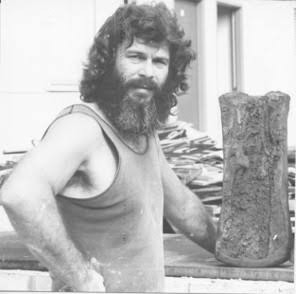
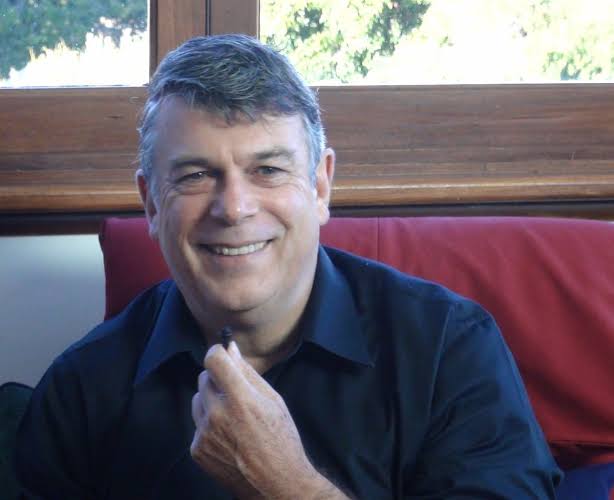
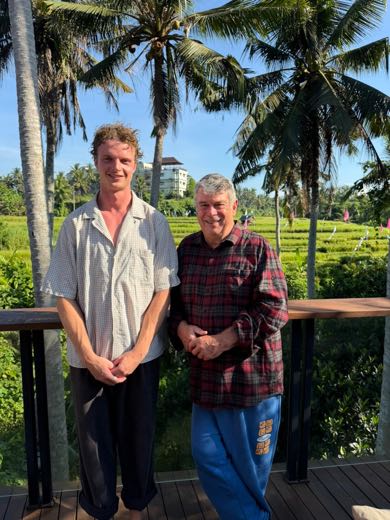
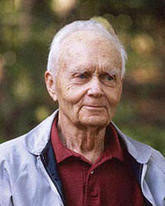
Paul is somebody who always gets whatever he sets his mind to. As a potter he had spent years learning to read a material: how clay answers to pressure, to speed, to patience, and how it collapses the moment you force it. What he had never managed to do was turn any of that into money. For decades he lived, in his own words, “dead flat broke”.
Then came the realisation that rearranged everything. Money is not a special category with its own alien rules. It is energy, like everything else is energy — including clay — and energy can be read, directed and shaped by anybody willing to study how it behaves. The mastery he already had wasn't useless. It was simply pointed at the wrong medium.
So he moved his creative medium from clay onto money, and made his first million in 3.8 years, without surrendering the intuitive way he works.
He has since spent over 30 years studying money, wealth, and why most people never achieve it, even with the best intentions. He's living proof that a creative person can master money without losing his creative spark.
“To live life is to live abundance — anything else is something else.”
You never quite believe it's possible for somebody like you, so you never fully commit. Without anyone to show you it can be done, part of you stays unconvinced the destination is even real.
Most money content is tactics, and tactics expire. They sit downstream of a platform, an algorithm, an economy that will have moved on by next year. Paul's work is about how people and money behave together, which hasn't changed and won't.
It was recorded as live teaching, never scripted into a product. That's why it's dense, and why it still gives you something new the fourth time you come back to it (from personal experience).
Everyone else in this field arrives from economics, markets or sales. Paul arrived as a craftsman, which is why he treats money as a material to be read and shaped rather than a system to be gamed.
The framework was reverse-engineered out of thirty years of not having money. He isn't describing the problem from the outside; he built the way out from inside it.
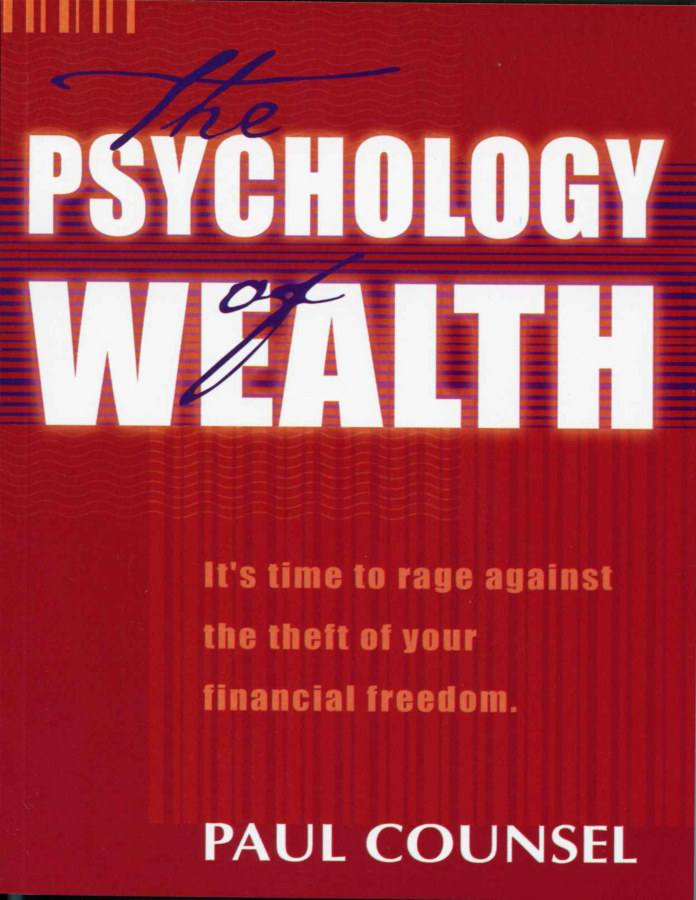
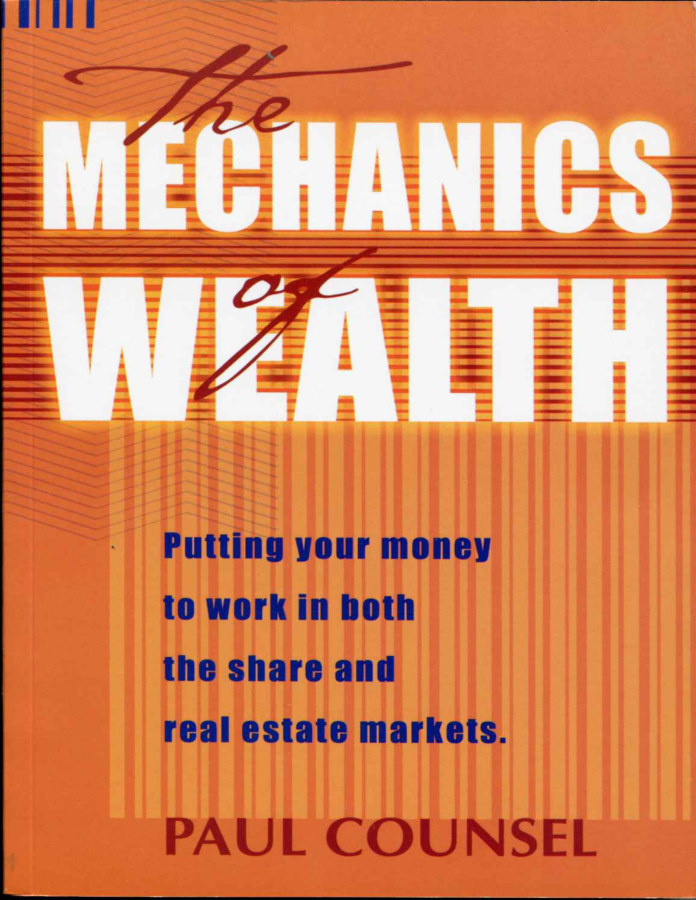
His trilogy opens with The Psychology of Wealth and only then turns to the mechanics. Most money education runs the other way round, then wonders why nobody acts on it.
That question, rather than “what should I do”, is what produced the money codes, the behavioural work, and most of what is in the vault today.
Each one in his own words, from the Infinite Wealth trilogy.


Most money education hands you the mechanics and wonders why you don't act on them. Paul starts with the person.
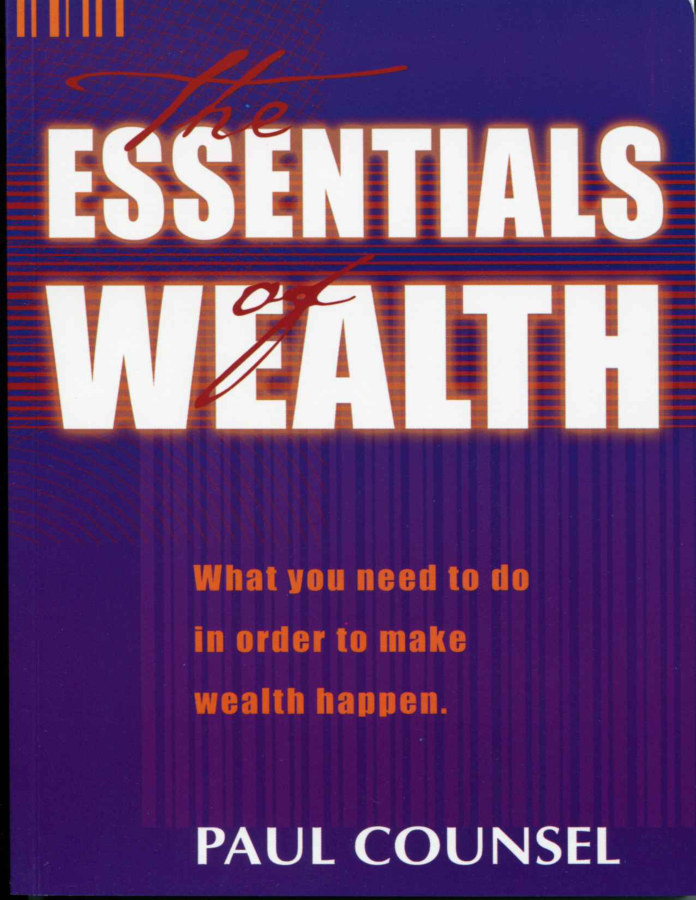
“Wealth creation is more about mastering your psychology and emotions about money, than it is about the mechanical processes of making money.”The Essentials of Wealth
Your results aren't a verdict on your ability. They're the output of conditioning you never chose.
“Most people have been conditioned only to generate the level of income they do.”The Psychology of Wealth
Income follows the person. Which is why the work is on you first, and the strategy second.
“You cannot create a level of wealth above the level of your own personal development.”The Mechanics of Wealth
New information on top of old habits produces the old result.
“You cannot create wealth if you retain your former beliefs and habits to do with money.”The Essentials of Wealth
No adviser, employer or system is coming to create it on your behalf. That's the bad news, and the freedom.
“Perhaps the most disempowering aspect of conventional wisdom is the mistaken belief that there is someone other than you who can create wealth for you.”The Psychology of Wealth
Wealth isn't a talent or a secret. It's a body of knowledge, and it only counts once you act on it.
“Wealth is not based on opinion so much as it is based upon learning and doingness.”The Essentials of Wealth
A clear structure that builds the right capacities in the right order, instead of more information. Without one, you collect ideas and never compound them.
I didn't design these four. I found them.
I've worked my way through Paul's extensive body of knowledge many times, Not studying for an exam, but living alongside it, returning to the same recordings in different years of my own life. And the same four ideas kept surfacing, whichever direction Paul came at money from.
Eventually they stopped looking like four topics and started looking like four faces of one object. That is the cube: not a curriculum I invented, but the shape of Paul's work as it revealed itself to somebody who wouldn't stop listening.
Money isn't four separate subjects. It's one thing, seen from four sides. Mastery means being able to turn the cube and look at money from every side. And every time you come back round to a face, you see more in it.
Not because the material changes, but because you do. Everything you understood the last time round becomes something you bring to the next, so the same face gives you more every time you return to it.
Money touches your life in four places. Every pound or dollar you'll ever have passes through you, through other people, through systems, and through time. Master all four, and there's nowhere left for money to slip through your fingers.
Your beliefs and patterns decide how much money you can let in and hold.
What you keep and multiply compounds, and turns income into lasting freedom.
Value that's packaged and systemised earns without being traded for your hours.
All money arrives through people, and they say yes to value they can see.
Leave one side undeveloped, and it leaks: income with no foundation drains away, foundations with no leverage stand still, leverage with no influence goes unseen, and none of it lasts if you haven't changed.
Ideas pile up but never compound. You jump from tactic to tactic, start again every January, and mistake staying busy with learning for making progress.
People and conditions that reinforce who you are becoming instead of pulling you back to who you were. Without one, change happens in the room and dies on the drive home.
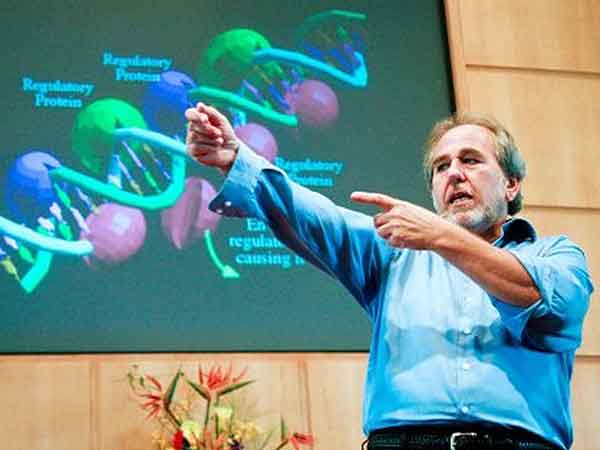
Cell biologist Bruce Lipton tells a story from his lab. When cells in a culture dish began to sicken, the problem wasn't the cells. It was the medium they were growing in. Move them into a healthy environment, and they recovered.
People work the same way. Your money intelligence isn't destroyed. It's dormant, because nothing around you has ever asked it to grow.
Insert yourself into a fertile environment, and your hidden money intelligence starts to activate, almost on its own.
Like hydroponics, where plants grow in a nutrient-rich solution instead of soil, a psychoponic environment surrounds you with the ideas, people and expectations that feed a new way of thinking.
Remember why play disappeared in the first place: the environment changed. This is the other half of that sentence. Put an adult back into conditions that permit experiment, curiosity and safe failure, and the capacity that was shut off in childhood starts moving again.
The everyday environment is contracting. The news, the bills, other people's fears, the constant pull back towards normal: all of it quietly shrinks what feels possible, and it never takes a week off.
One inspiring conversation can't hold out against that. A weekly dose of the right environment can. Each call lifts you back above the pull of normalcy, and keeps fuelling the journey of growth between them.
You walk straight back into the rooms that switched play off in the first place, and the old environment wins. It always does. The change happens on the call, and it's gone by Thursday.
A role model without a path is inspiration you can't act on. A path without an environment is a course you abandon in week three. An environment without a destination is a pleasant group of people going nowhere in particular. Almost everything on the market hands you one of the three and hopes.
Put all three around a person at the same time and the change is one of kind, not degree. You are walking a path you can actually see, towards somebody who has already walked it, carried by people who expect you to arrive.
In those conditions change stops being something you force out of yourself. It becomes difficult to avoid.
A role model shows you it's possible. A program gives you the path. An environment makes you actually walk it. Hold all three together for long enough and they stop being things you are doing. They become somebody you are: somebody who works with the energy of money the way a craftsman works with a material.
Someone who treats money the way Paul learned to treat clay: as a medium they shape and play with, not a force that shapes them.
Someone who opens the banking app without a feeling of creeping dread or dissapointment.
Someone who wants more, and feels no shame about it.
Someone who knows why they do what they do with money, and can change it on purpose.
Someone who can feel where money is flowing and direct it, instead of watching it happen to them.
Someone whose work and play have stopped being opposites.
A better version of you, and more than that: a fluid worker in the energy of money, for whom the doing of it has quietly turned into play.
And once that intelligence is grown, nobody can take it back off you.

The Wealth Psychology Platform

Paul's complete body of work, and the technology to learn from it.
Not just a content library.
A content library hands you three hundred hours and wishes you luck. On a hard drive, that is a library nobody finishes. So I built it into something that works alongside you: searchable to the word, mapped by concept, answerable in Paul's own voice, and able to point you to what is most useful next.
Yours from the first day you join, at every level of membership.
Type a question or an idea and surface every lesson where it's covered. Each result carries the exact timestamp, so you jump straight to the moment Paul says it.
An AI trained on every word Paul has recorded. Ask it about your own situation and it answers in his voice — then shows you the lesson and timestamp it drew from, so you can go and hear him say it.
Every concept Paul teaches and how each one connects to the rest. Navigate by relationship instead of module number — so you see the architecture of the ideas, not just the order they were taught in.
Full transcripts for every lesson, timed to the word. Click any line to jump to that exact moment. The words light up in time with Paul as he speaks, so reading and listening stay together.
Paul's complete body of work, and the technology to learn from it.
Everything in the Vault, plus the live room: a weekly call with your guide, and a community on a shared clock.
I didn't go to university. I went to Paul.
A role model, a program and an environment don't come together on their own. Somebody has to find them, assemble them, and keep them running every week. That's my part.
Hi, I'm Guy. When everyone around me was choosing a university, I chose a teacher instead.
I was a personal trainer in my home town. Money was never steady, and I was running from the feeling that there was more in me, with technology, substances and food.
Then I found Paul's work, and I did the thing almost nobody does with a body of work this size: I finished it. Three years. Three hundred hours of recordings. Three books. 2 years of weekly conversations with Paul. Every idea tested against my own life, week after week, until it stopped being information and became the way I think.
That was my version of a degree. It cost me three years and left me no debt. Thanks to that education, I left my job, and I've spent the last two years earning from the internet, which has allowed me to travel the world by monetising my gifts.
So when I teach this, I'm not passing on theory I read. I'm sharing the most important education I've ever had.
Here is the part that matters for you. Paul hasn't taught this material live in over six years. It sits in the vault: three hundred hours, finished and complete, and almost nobody is making use of it. Thirty years of work quietly turning into lost wisdom.
That's what I set out to change. I take the most important of it, refresh it through my own lens as one of his most dedicated students, and bring it to you live, so that what is buried in his experience actually reaches somebody while it still can.
You might wonder why you would learn this from me rather than from Paul himself. The honest answer is the price. Paul's private mentoring has run at $17,900 for twelve months, and he doesn't deliver this work at the price point of this room.
I am.
Not because the work is worth less, but because I remember what it was like to need it. Three years ago I was stuck at the bottom, and I still remember precisely which ideas confused me, which ones I resisted, and which one finally moved something. That memory is what makes me useful to you.
Paul shows you the destination is real. I bring it within reach.
Paul recorded three hundred hours. Nobody needs three hundred hours this month. They need the right hour.
The role model and the source. Thirty years of work: 300+ hours of recordings, the three Infinite Wealth books, and Paul AI trained on every word, there whenever you want it.
Your guide. Three years a student of this work. Chooses what matters now, teaches it live in plain language, and answers your questions in the room.
Created a million dollar exit in her tech company. Guest guide. Joins the room once a month for a live question and answer session on "activating entrepreneurship".
The live cohort is everything included in the Vault, plus live calls, every week.
Paul's live mentoring, captured as it happened and transcribed to the word.
Paul's three books, in print and audio, cross-linked to the lessons inside the platform.
Ask about your own situation and get an answer in his voice, with the lesson and timestamp it came from.
One side of the cube each week, taught live by Guy, with time for your questions.
Search, the knowledge graph and live transcripts, so the right idea finds you when you need it.
People who back the person you are becoming, between every call.
Veronica joins the room once a month to take your questions.
Focused on one of the four pillars. We present, discuss and apply it to your situation together.
People who back the person you're becoming, and the vault to go deeper on your own.
You've worked through all four pillars, then the cycle repeats at a deeper level.
Nobody blinks at three years and a five-figure debt to be qualified for a job. It's worth comparing that to what it costs to be qualified to earn from your own gifts.
Estimates based on average US public university tuition and graduate debt. Private universities cost far more.
Every way of joining below costs less per month than a degree. The difference is what you're able to do at the end of it.
If you've bought courses before and nothing changed, Live is the one built for you.
Because this isn't a course. Courses add information. Money Intelligence develops the capacity that uses information, through a weekly environment over months.
No. Psychology is one pillar of four. The others are practical: managing and multiplying money, building income systems, and communicating your value.
It's one live call a week, plus whatever time you choose to spend in the vault. Every call is recorded, so you can catch up on the replay whenever it suits you.
Cohort three is ongoing, with no graduation date. You stay for as long as you're growing. There's no minimum term, and you can cancel anytime.
No. Nobody can guarantee your growth except you. What we can promise is the environment, the teaching and the people. The rest is yours to develop.
No. Many members start with a gift and nothing built yet.
Your environment didn't develop your money intelligence. That isn't a verdict on you. It's a designed outcome of the system that you live in. If you feel the pull to stop holding your song in, join us.
There are two paths from here: the familiar one, where money stays work, or the new one, where it becomes play.
If you choose the new one, there are two ways to walk it: with us in the live room every week, or on your own in the Vault.